The Decision: Raw Compute vs Compact Edge Box
When you're building an industrial PC setup for SCADA and edge control, the first fork in the road is usually power versus footprint. Both of these systems work, but they approach the problem from opposite ends. The Asus Ascent GX10-GG0010BN is a desktop AI computer with an ARM Cortex X925 processor, 128 GB of memory, and a 1 TB drive, listed at USD 3,899.99. The CHUWI HEROBOX MINI PC is a Windows 11 mini desktop with an Intel N100 3.4GHz processor, 8 GB of RAM, and 256 GB of storage, listed at USD 249.99. The choice comes down to what kind of edge task you're actually running.
Quick Verdict
- Pick the Asus Ascent GX10 when your SCADA or edge control workload needs raw compute and enterprise management features for fleet deployments.
- Pick the CHUWI HEROBOX when you need a compact Windows 11 mini PC for HMI display, light data collection, or smaller edge control nodes, and you want to keep the hardware cost low.
Comparison at a Glance
| Product | Listed Price | Price Bar |
|---|---|---|
| Asus Ascent GX10-GG0010BN Desktop AI Computer | USD 3,899.99 | |
| CHUWI HEROBOX MINI PC Windows 11 Mini Desktop Intel N100 | USD 249.99 |
Where Each Product Wins
The Asus Ascent GX10 wins on raw capacity. The combination of a large memory pool and enterprise-class storage puts it in a different performance class than a typical mini PC, and the unlocked BIOS, unlocked Computrace, and disabled MDM point toward managed fleet use. It also lists wireless connectivity. The Chuwi Herobox wins on physical convenience and price. It offers a VESA mount, SD card slot, built-in Wi-Fi, and multiple display outputs-Micro-HDMI, USB 3.0, USB-C, VGA, DisplayPort-in a fanless mini chassis. The listed price gap between the two is thousands of dollars, so for less demanding SCADA tasks the mini PC can leave plenty of budget for other components.
Product Notes
Asus Ascent GX10-GG0010BN Desktop AI Computer
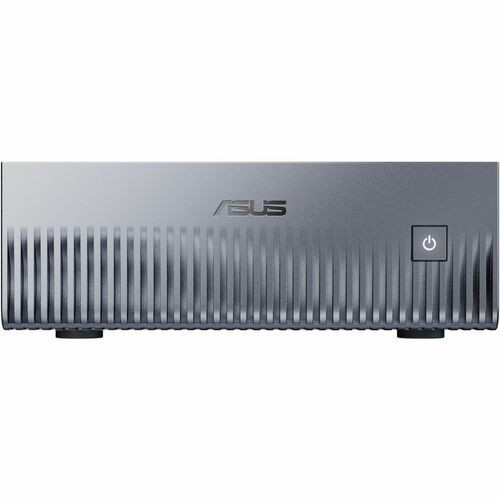
The Asus Ascent GX10-GG0010BN is the heavyweight of this pairing. Its title points to an ARM Cortex X925 processor, 128 GB of memory, and a 1 TB drive, and the listed attributes include BIOS unlocked, Computrace unlocked, and MDM not enabled. Those are meaningful features for an IT team that wants to deploy edge nodes without locked-down management layers. For a SCADA or edge control setup that needs local compute for bigger analytics or AI-style workloads, this desktop delivers memory capacity at a scale the mini PC can't match. The trade-off is the higher listed price and the full-desktop footprint. If your installation is compact or your workload is lightweight, this is more machine than you may need.
CHUWI HEROBOX MINI PC Windows 11 Mini Desktop Computer Intel N100 3.4Ghz 8G 256G
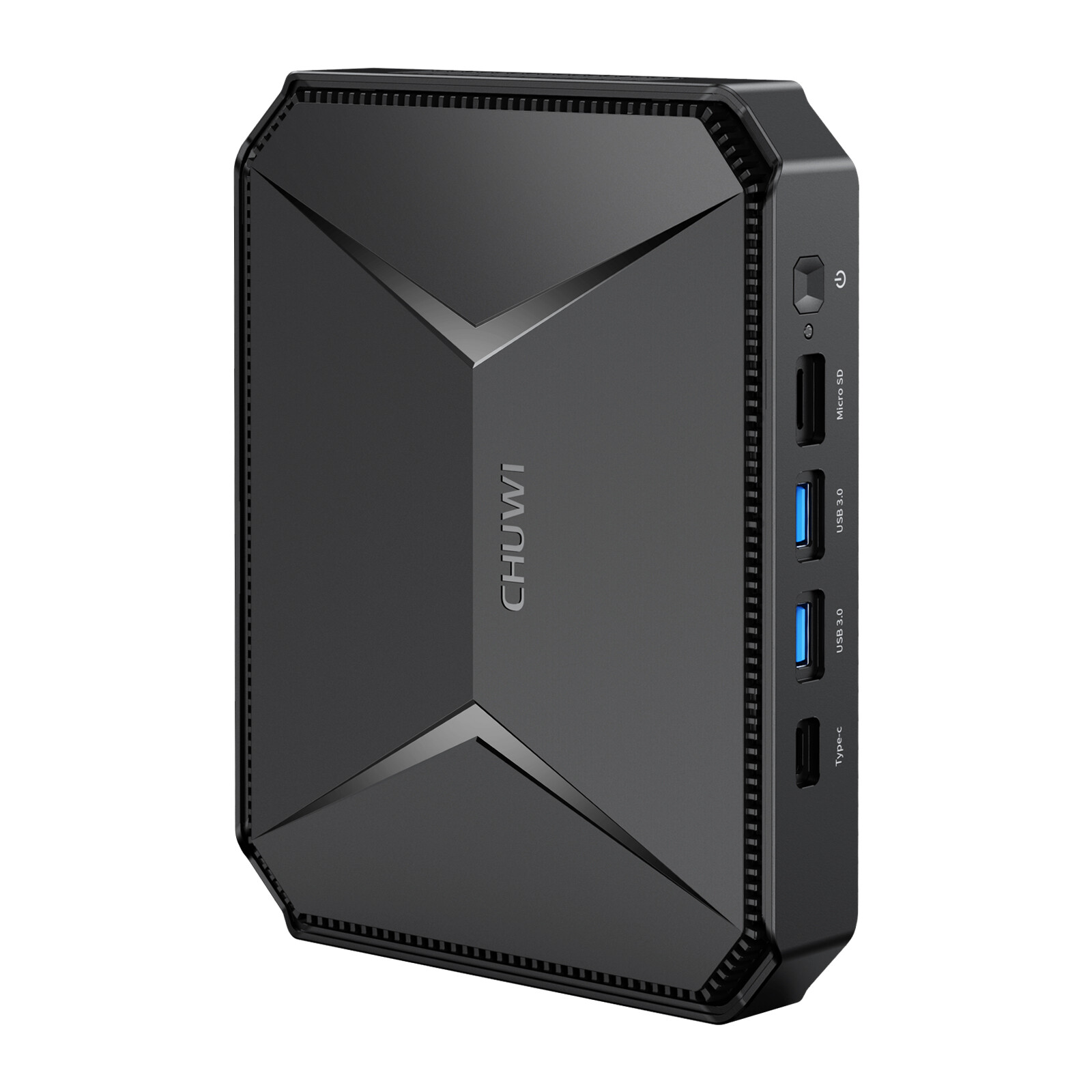
The CHUWI HEROBOX is the lower-priced alternative with a completely different set of strengths. It is a mini PC with an Intel N100 3.4GHz processor, 8 GB RAM, 256 GB storage, and integrated Intel UHD Graphics. A fanless design, VESA mount, SD card slot, and built-in Wi-Fi adapter are part of the package, and storage expansion is possible through an M.2 SATA slot, a 2.5-inch SATA bay, and TF cards up to 512GB. Multi-display output comes through HDMI 2.0 and VGA. The main limitation is memory and storage: 8 GB/256 GB is fine for typical HMI or data-collection tasks but won't keep up with the Asus Ascent if you need a much larger memory pool.
Final Choice by Use Case
Choose the Asus Ascent GX10 if your edge control workload demands raw compute capacity and you want the management hooks of unlocked BIOS, unlocked Computrace, and disabled MDM. Choose the CHUWI HEROBOX if you want a compact Windows 11 mini PC for SCADA HMI, light data collection, or remote edge nodes, and you prefer a much lower hardware investment. The right pick depends on whether your priority is raw compute capacity or small-footprint, low-cost operation.