If you're setting up a SCADA station or an edge-control node, the compute box matters more than the shape it comes in. A used industrial mini PC can handle signage or an HMI, a full tower workstation gives you room for data acquisition, and a compact board lets you prototype edge logic cheaply. The hard part is matching the hardware to the job without overspending. These four listings range from $51 to $249.99, so the decision often comes down to processor class, memory, and how much you need out of the box.
In this price range, you're choosing among three different philosophies: a used industrial mini PC with minimal processing, a single-board computer with GPIO, a refurbished workstation you build out, and a brand-new mini PC with Windows 11 preinstalled.
Quick take
The Seneca XK-FLX-V2 is the cheapest path to a dedicated industrial chassis, but it ships with no drive or OS. The Raspberry Pi 4 Model B adds Wi-Fi, Bluetooth, and USB 3.0 in a compact case. The Dell Precision T7910 gives you a six-core Xeon tower for heavier SCADA duties, but you'll need to add RAM, storage, GPU, and OS. The CHUWI HEROBOX is the only new, ready-to-run Windows 11 mini PC with 8GB RAM and 256GB storage. Prices run from $51 to $249.99.
Listed price comparison
The table below shows the listed price for each option, with the price bar giving a quick visual sense of the spread.
| Product | Listed Price | Price Bar | Form Factor / Condition |
|---|---|---|---|
| Seneca XK-FLX-V2 | USD 51.00 | Industrial PC / Used | |
| Raspberry Pi 4 Model B 2GB | USD 59.99 | Mini Desktop / Used | |
| Dell Precision T7910 | USD 212.98 | Tower / Refurbished | |
| CHUWI HEROBOX Mini PC | USD 249.99 | Mini PC / New |
Decision matrix
Use the matrix to filter quickly, then read the notes below for the fine print.
| Product | Best for | Not ideal when |
|---|---|---|
| Seneca XK-FLX-V2 | Fixed signage or HMI in a small industrial chassis | You need storage, an OS, or more than 4GB RAM |
| Raspberry Pi 4 Model B 2GB | Prototyping edge logic with GPIO sensors | You need x86 compatibility or more than 2GB RAM |
| Dell Precision T7910 | A multi-core Xeon tower you can populate yourself | You want a complete plug-and-play desktop |
| CHUWI HEROBOX Mini PC | A compact Windows 11 box with 8GB/256GB | You're trying to keep cost to the minimum |
Product notes
Seneca XK-FLX-V2
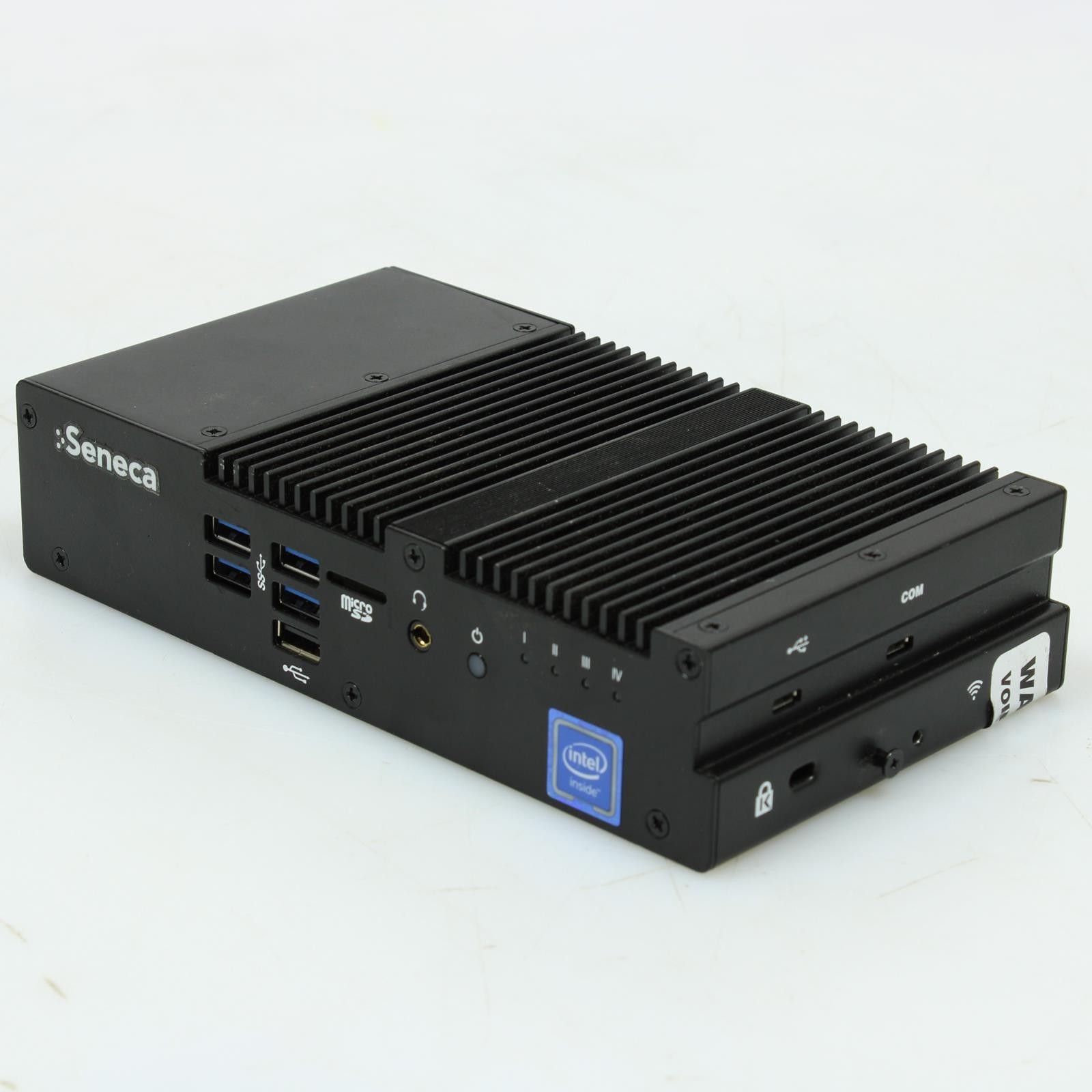
The least expensive box here, this used Seneca USFF player runs an Intel Celeron N3060 with 4GB RAM. If your edge-control node is basically a signage screen or a single HMI panel, this form factor fits a standard industrial chassis. The trade-offs are immediate: it comes without a drive or OS, and the processor is an entry-level Celeron, so it isn't for heavy SCADA analytics. As the lowest-priced unit in this list, it's a direct way to get a small industrial PC.
Dell Precision T7910
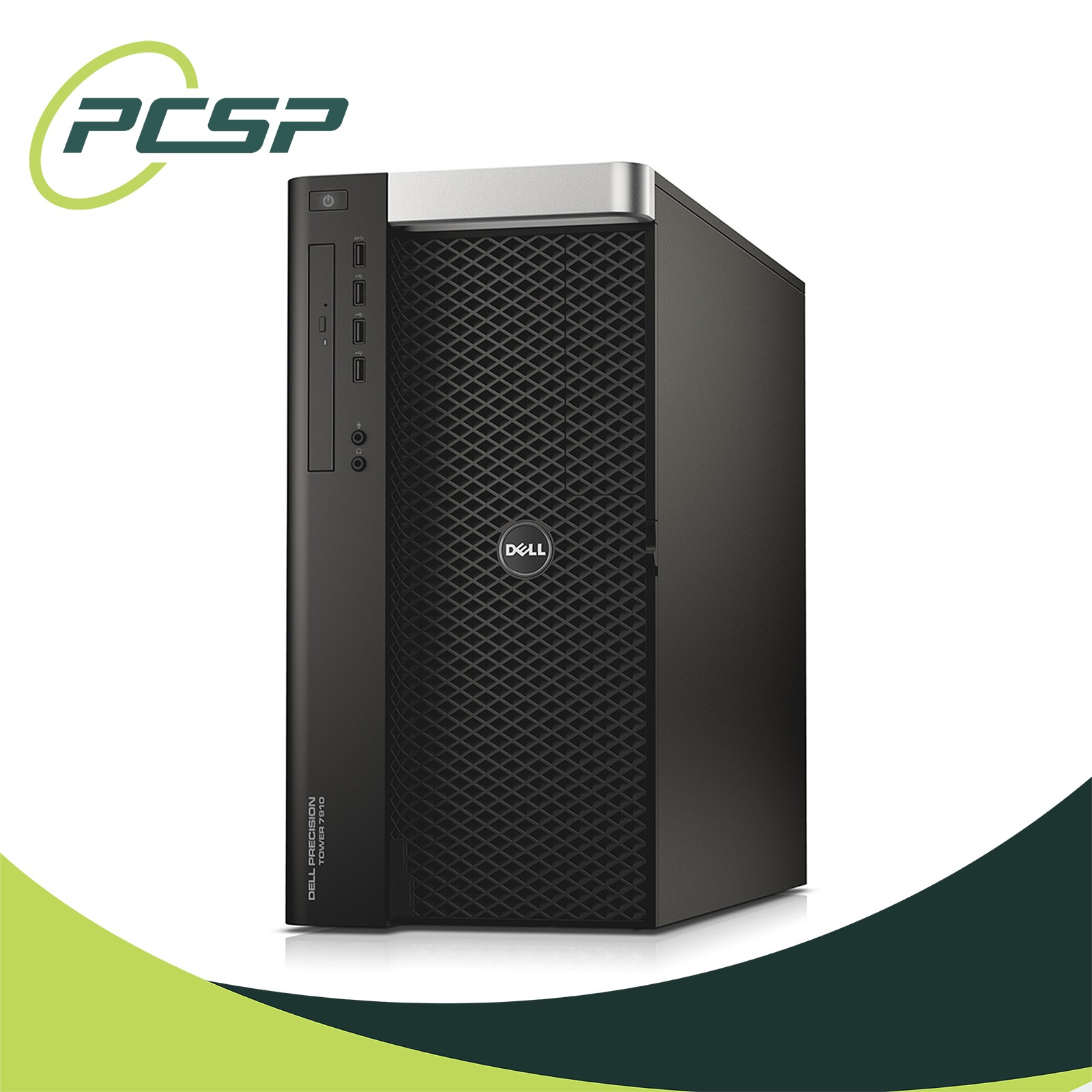
This refurbished tower gives you a 6-core Xeon E5-2620 v3 at 2.40GHz with Hyper-Threading, which puts it in a different class for compute-heavy SCADA tasks like historian queries or data aggregation. The catch is that it's sold as a barebones system: no RAM, no GPU, no HDD, no OS. If you already have memory, storage, and a Windows license, this can be an attractive base for an edge-control server. It also has USB 2.0, USB 3.0, and RJ-45 connectivity. The tower form factor takes up floor or shelf space, and you'll be assembling the working configuration yourself.
CHUWI HEROBOX Mini PC
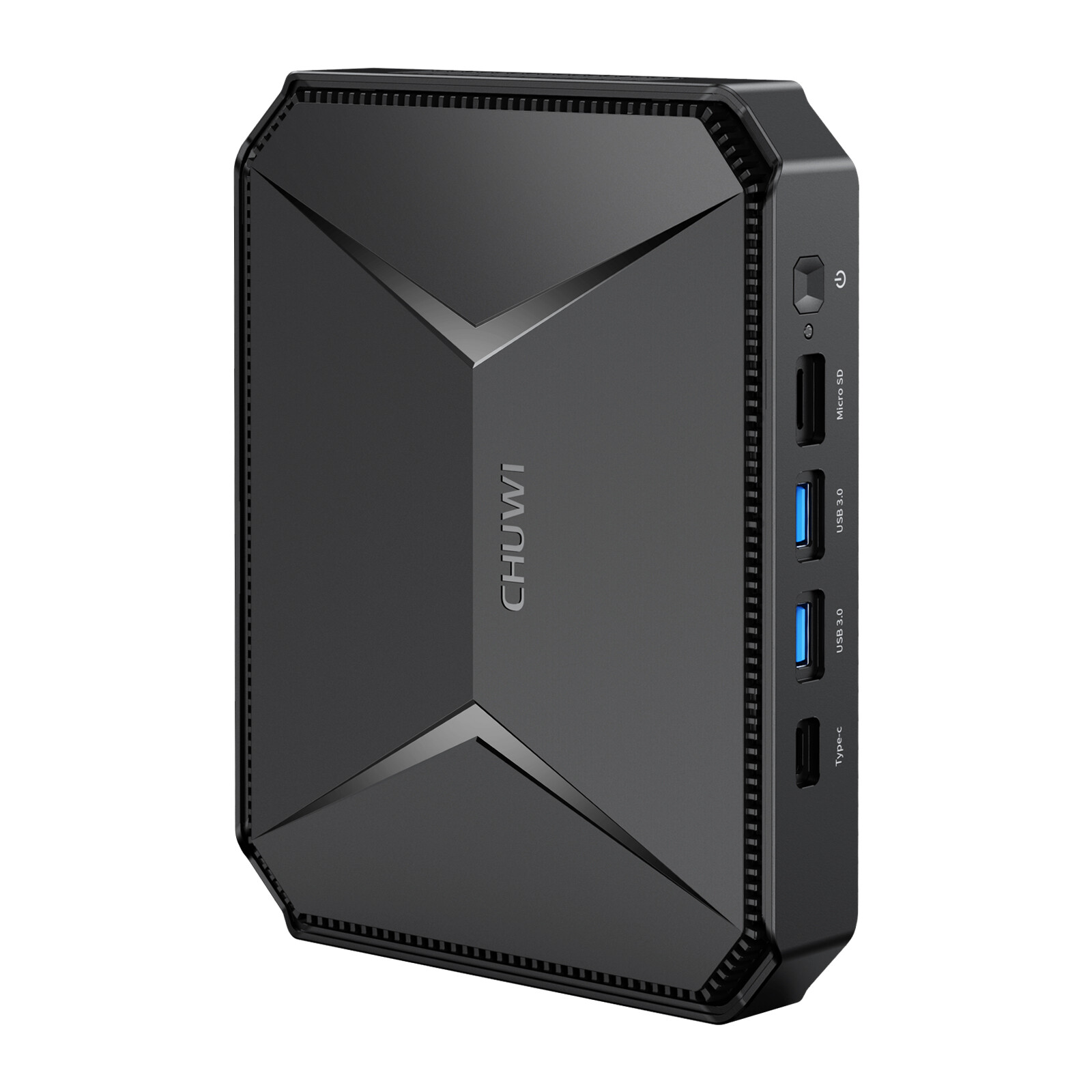
The only new, complete system in this group, the HEROBOX runs Windows 11 on an Intel N100 with 8GB LPDDR5 and a 256GB SSD. For a drop-in edge-control node or SCADA thin client, that means you can install your software and connect peripherals right away. Ports include USB 3.0, USB-C, HDMI, VGA, and DisplayPort, plus built-in Wi-Fi and an SD card slot. The fanless design keeps it quiet, and the VESA mount lets you place it behind a monitor. The trade-off is that it's the highest-priced unit here, so you're paying for a new-condition unit.
Raspberry Pi 4 Model B 2GB
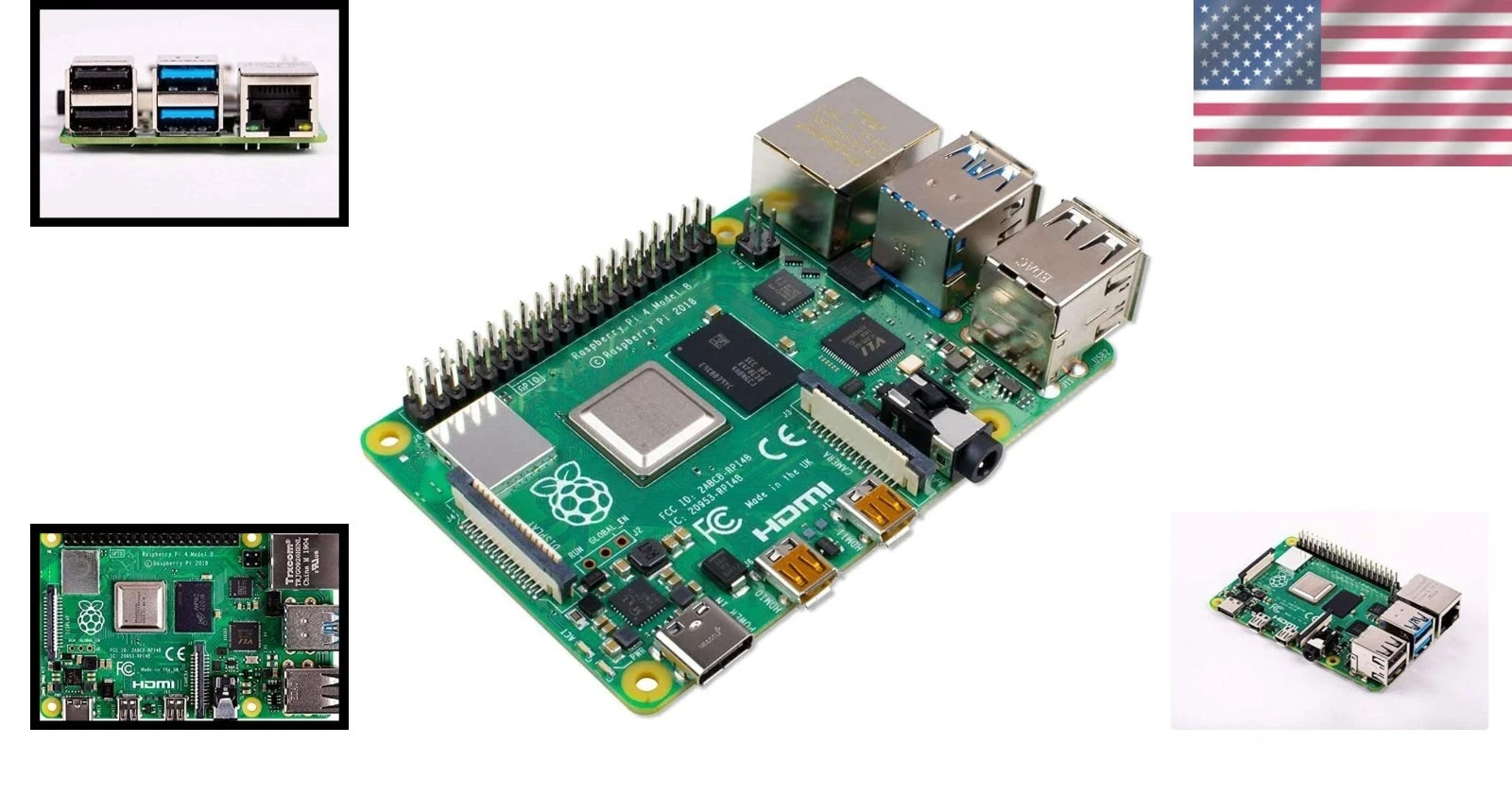
The Pi 4 is a different kind of edge computer. This used unit includes 2GB RAM and a free 3D-printed PETG case. For prototyping SCADA dashboards or running lightweight edge logic, the quad-core Cortex-A72 at 1.5GHz is capable, and the built-in Wi-Fi, Bluetooth 5.0, USB 3.0, and micro HDMI ports make it flexible. The GPIO header is a real advantage if you're wiring sensors or relays. The limits are familiar: 2GB RAM is tight for multi-container edge applications, and the Linux ecosystem means some Windows-based SCADA packages won't run natively. If you're comfortable in a Pi environment, it's easy to start.
Final recommendation
Choose the CHUWI HEROBOX if you want a new Windows 11 mini PC that is ready for edge data collection or a SCADA terminal. Choose the Dell Precision T7910 if you need a six-core Xeon tower and you're prepared to add RAM, storage, and an OS. Choose the Raspberry Pi 4 when your edge node is a custom Linux project with GPIO needs. Choose the Seneca XK-FLX-V2 if your job is exactly a digital-signage player and you're looking for the lowest price on this list. Keep in mind that the Seneca and the Raspberry Pi are both used, while the Dell is refurbished and the Chuwi is new.