Choosing between these two used industrial robotics finds is not really a head-to-head on specs; it is a question of what you need to automate. For the price of one five-arm ATLAS II lot, you can buy nearly four Mini45 force/torque sensors, but a force/torque sensor will not move a part, and an untested surplus arm cannot give you precise force feedback. Your project, your existing tooling, and your tolerance for risk decide which used buy makes sense.
Quick Verdict
If you need multiple robot arms for a research or educational cell and have the space and patience to work through used surplus issues, the ATLAS II lot gives you five units for a single lot price. If your priority is precise force/torque response from known working equipment, the ATI Mini45 is the safer, more focused buy at a lower price.
Comparison at a Glance
| Aspect | ATLAS II Lot | ATI Mini45 Sensor |
|---|---|---|
| Price | USD 5,225.99 | USD 1,395.00 |
| Price bar | ||
| What it is | Industrial robot arms | Force/torque sensor |
Where Each Product Wins
ATLAS II Lot: The ATLAS II lot wins on scale. It gives you a whole lot for a single lot price, which is attractive for a teaching lab or a multi-station pick-and-place experiment where individual arms can be dedicated to stations. The lot also includes whatever accessories are shown in the pictures. If the mechanical issues are minor and you have replacement parts available, this is the volume play.
Mini45 Sensor: The Mini45 wins on precision and integration scope. It measures forces and torques simultaneously along X, Y, and Z axes, which is exactly what you need for contact detection, load monitoring, or tool interaction. It comes as a complete, single unit with its integrated cable, making it straightforward to add to an existing robot arm. If you are building a force-controlled application rather than a multi-arm station, this sensor is the more direct fit.
Detailed Look at Each Option
L.J. Electronics ATLAS II Lot
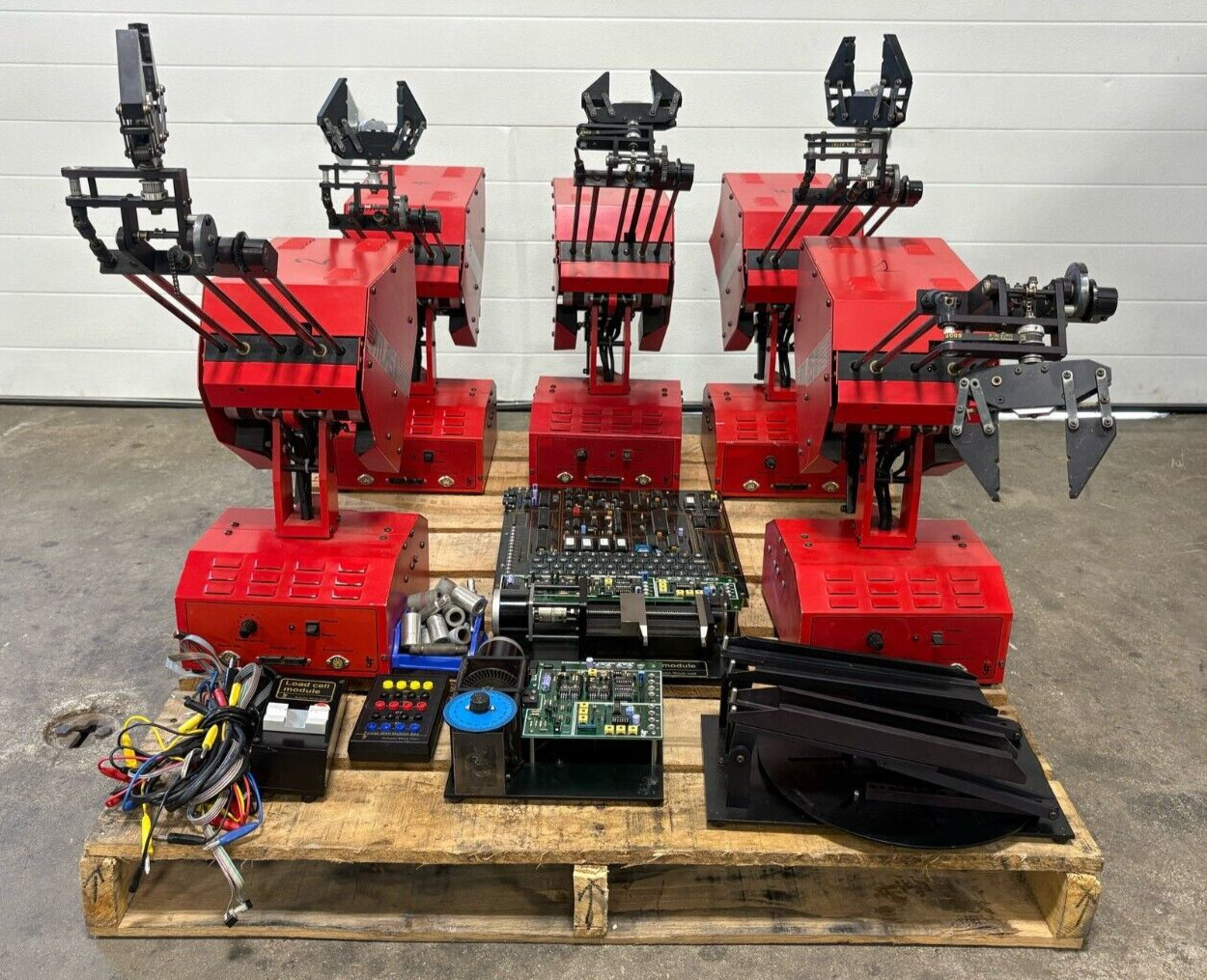
If you are outfitting a robotics lab or a production teaching cell, this lot's appeal is simple: five ATLAS II arms in one purchase for USD 5,225.99. All five power up, and the lot ships with the accessories shown in the listing pictures. That gives you spare hardware to disassemble, compare, and use as sources of parts when one unit has an issue. The catch is that the seller states the units came from a state surplus sale and that no further testing beyond power-up was done. One unit's front LED does not blink, and the photos show missing or broken parts on some units. The sale is final - no return rights - and no additional accessories beyond what is pictured are included. You are buying a repair project, not a plug-and-play arm.
ATI Mini45 Force Torque Sensor
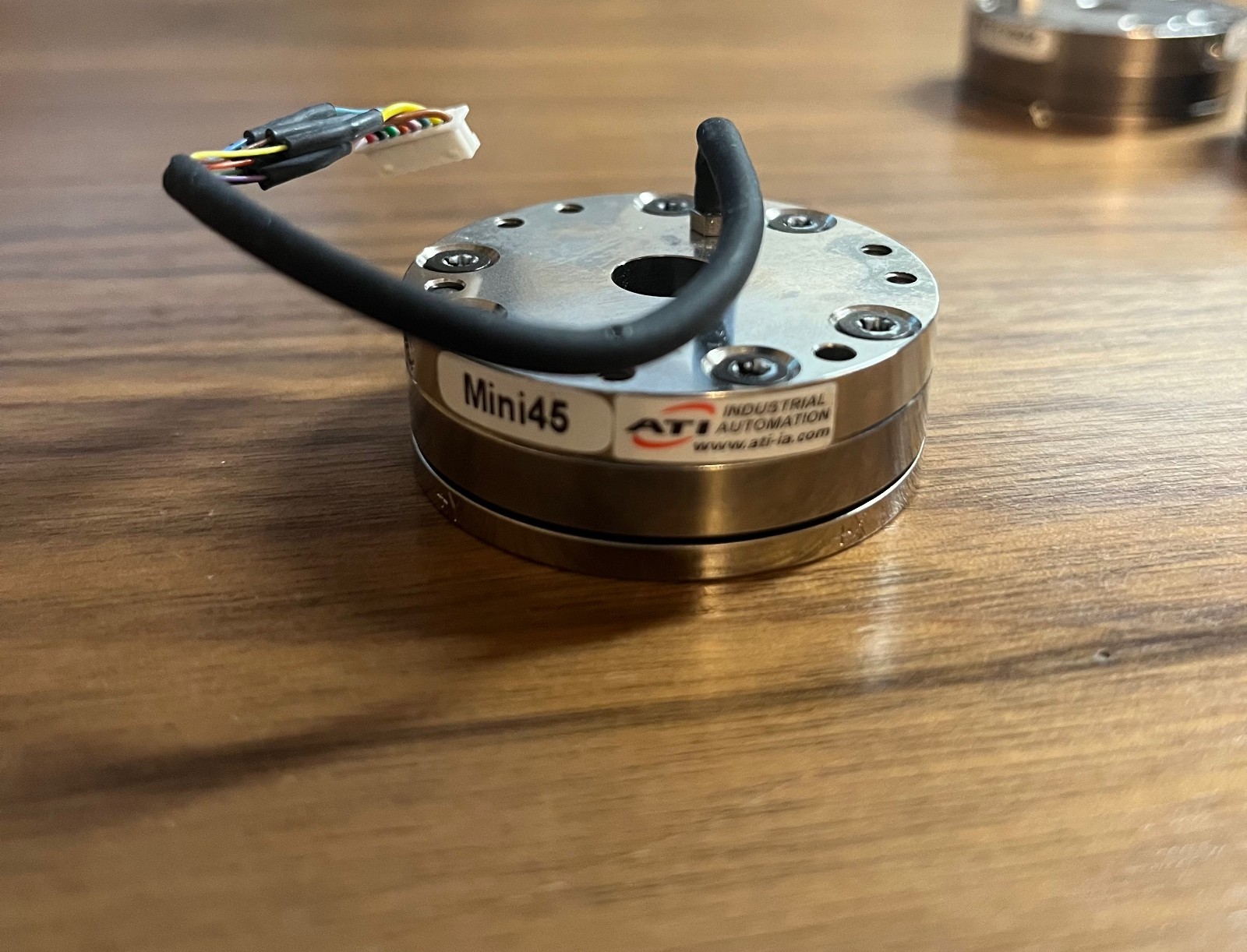
The ATI Mini45 is a high-precision force/torque sensor built to measure forces and torques simultaneously along the X, Y, and Z axes. This unit was removed from working automation and research equipment, so it has a defined functional history rather than an unknown surplus one. It shows only minor cosmetic wear from normal industrial use, with no cracks, bends, or structural damage observed, and it comes with its integrated cable. It suits a robot arm that already exists in your cell but needs contact sensing, load monitoring, or tool-life feedback. The limitation: it is a single sensor, so five-station setups will need multiple purchases, and a force/torque sensor cannot do the physical work a robot arm does.
Final Choice by Use Case
Choose the ATLAS II lot if you are building a multi-station training cell, need spare arms for parts, or want to experiment with several manipulators at once. Choose the Mini45 if you already have a robot arm and need to add force sensing for precise contact or tool-interaction control. For a mixed setup, both have a place: the arms handle movement, the sensor tells them when to stop.