The decision you're actually making
When you're shopping for industrial networking fieldbus gear, the first question isn't a nameplate or the price. It's what the device is supposed to do. Do you need more Ethernet ports in a control cabinet or remote panel, or do you need a way to get a fieldbus device onto an industrial Ethernet network? These two products answer different questions, and picking the wrong one can stall a project. This head-to-head compares the Industrial 10P Ethernet Switch with the Burkert 00307390 / ME43 Industrial Ethernet Fieldbus Gateway so you can match the hardware to the job.
Quick verdict
If your bottleneck is port count, the Industrial 10P Ethernet Switch at $39.99 is the clear fit. If your bottleneck is connecting a fieldbus device to industrial Ethernet, the Burkert 00307390 / ME43 at $249.99 is built for that task. They are not interchangeable; choose based on whether you need to expand an industrial network or bridge a fieldbus device onto one.
Price and role at a glance
| Product | Listed price | Price position | What you're getting |
|---|---|---|---|
| Industrial 10P Ethernet Switch | USD 39.99 | 8 Gigabit RJ-45 + 2 SFP ports, 20 Gbps capacity, DIN-rail/wall mounting | |
| Burkert 00307390 / ME43 Industrial Ethernet Fieldbus Gateway | USD 249.99 | Industrial Ethernet fieldbus gateway in the ME43 model |
Where the switch wins
Choose the switch when the problem is physical connectivity. It gives you a compact way to bring many wired endpoints into one cabinet. If you already have a fieldbus gateway or don't need protocol conversion, the switch handles the port-expansion side of an industrial network.
Where the gateway wins
Choose the gateway when the missing link is protocol translation. The Burkert ME43 is named for the job: an industrial Ethernet fieldbus gateway. If your fieldbus device needs to communicate over industrial Ethernet, a switch won't create that connection; the gateway is the component designed for that role.
Closer look
Industrial 10P Ethernet Switch
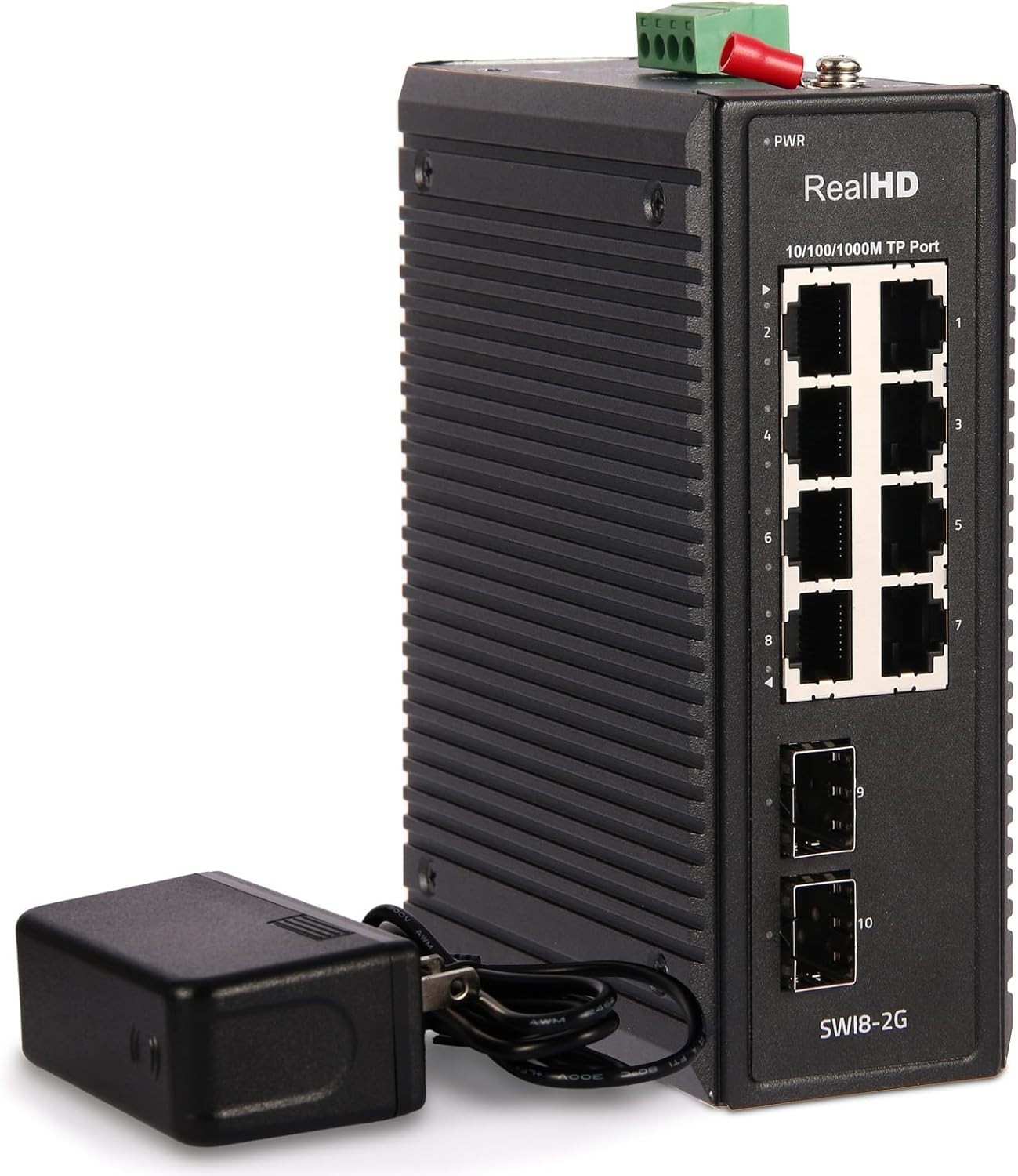
The Industrial 10P Ethernet Switch is the straightforward pick when your control panel needs more wired connections. Its 8 gigabit RJ-45 ports and 2 SFP ports give you room for more wired endpoints, and the listed 20 Gbps switching capacity provides plenty of bandwidth for simultaneous traffic. The DIN-rail and wall-mount options with included hardware make placement flexible in factory, warehouse, or compact control-box settings. It is sold as a new unit, which is useful if you want a clean install. The limitation is that its job is switching Ethernet traffic, so it won't solve a fieldbus-to-Ethernet translation problem on its own.
Burkert 00307390 / ME43 Industrial Ethernet Fieldbus Gateway
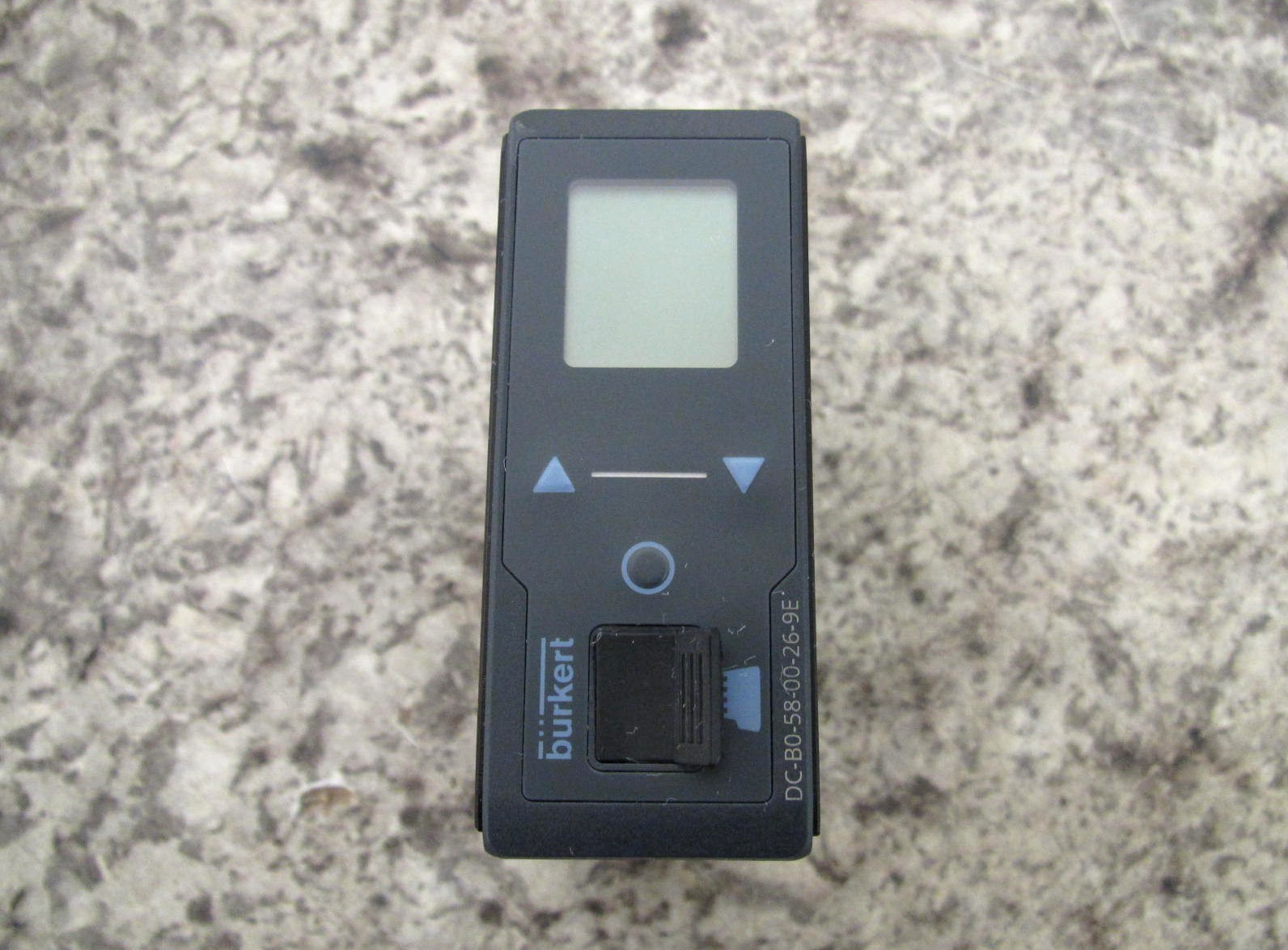
The Burkert 00307390 / ME43 is the dedicated solution when the missing piece is a gateway, not extra ports. Its name and model point to a device intended to sit between fieldbus equipment and an industrial Ethernet network, making it the targeted choice for a machine retrofit or control-system integration. The trade-off is that it is a used working pull, so you are buying a functional component rather than a fresh-out-of-the-box product. It also carries a noticeably higher listed price than the switch, which makes sense only when your project genuinely needs gateway functionality. If you already have enough Ethernet ports and are stuck trying to move data from a fieldbus device onto industrial Ethernet, this is the product that addresses the real bottleneck.
Final choice by use case
Choose the Industrial 10P Ethernet Switch when your problem is simple: more devices need to reach the network, and you want a switch that can grow with your cabinet. Choose the Burkert 00307390 / ME43 gateway when your problem is a fieldbus device that needs to talk to industrial Ethernet. No amount of switch ports will close a protocol gap. In short, buy the switch to grow a network, and buy the gateway to connect a fieldbus device to one.