Choosing between two industrial robotics cobots often comes down to a simple question: do you want a traditional arm at a lower upfront cost, or a newer collaborative robot that can work alongside people? The Stäubli RX130-B and the AUBO i10 sit at opposite ends of that trade-off, and their price gap makes the decision even more visible.
Quick verdict
If your priority is a lower purchase price and you already have experience programming conventional robot arms, the Stäubli RX130-B takes the budget side of this matchup. If you want a 10 kg payload cobot with collaborative safety features and are willing to pay for newer automation, the AUBO i10 is the more complete package.
Comparison table
| Product | Listed price | Condition | What stands out |
|---|---|---|---|
| Staubli Industrial Robot Arm Automation Equipment RX130-B | USD 3,410.00 | Used | French-made robotic arm with Stäubli controls |
| AUBO i10 collaborative robot | USD 22,000.00 | New - Open box | 10 kg payload cobot with collaborative safety functions |
Where the Staubli RX130-B wins
The Staubli is the more affordable entry point by a wide margin-over $18,000 less than the AUBO. It is a Stäubli RX130-B model built in France, with a standard construction type and Stäubli arm controls. If your facility already runs Stäubli equipment, this arm can fit into that familiar environment without the learning curve of a new platform. Because it's listed as used, it also represents a lower capital commitment for automation trials or secondary production lines.
Where the AUBO i10 wins
The AUBO i10 is a collaborative robot, meaning it's designed for safe interaction with people in the same workspace. The description calls out hand guide operation, power and force limiting, and certified safety functions, along with ISO, CE, TUV, KCs and NRTAC certifications. It handles a 10 kg payload and comes as a new-open box unit. For businesses that need to automate welding or packing tasks and want personnel to be able to work nearby, the AUBO brings more modern capabilities to the table.
Product notes
Staubli Industrial Robot Arm Automation Equipment RX130-B
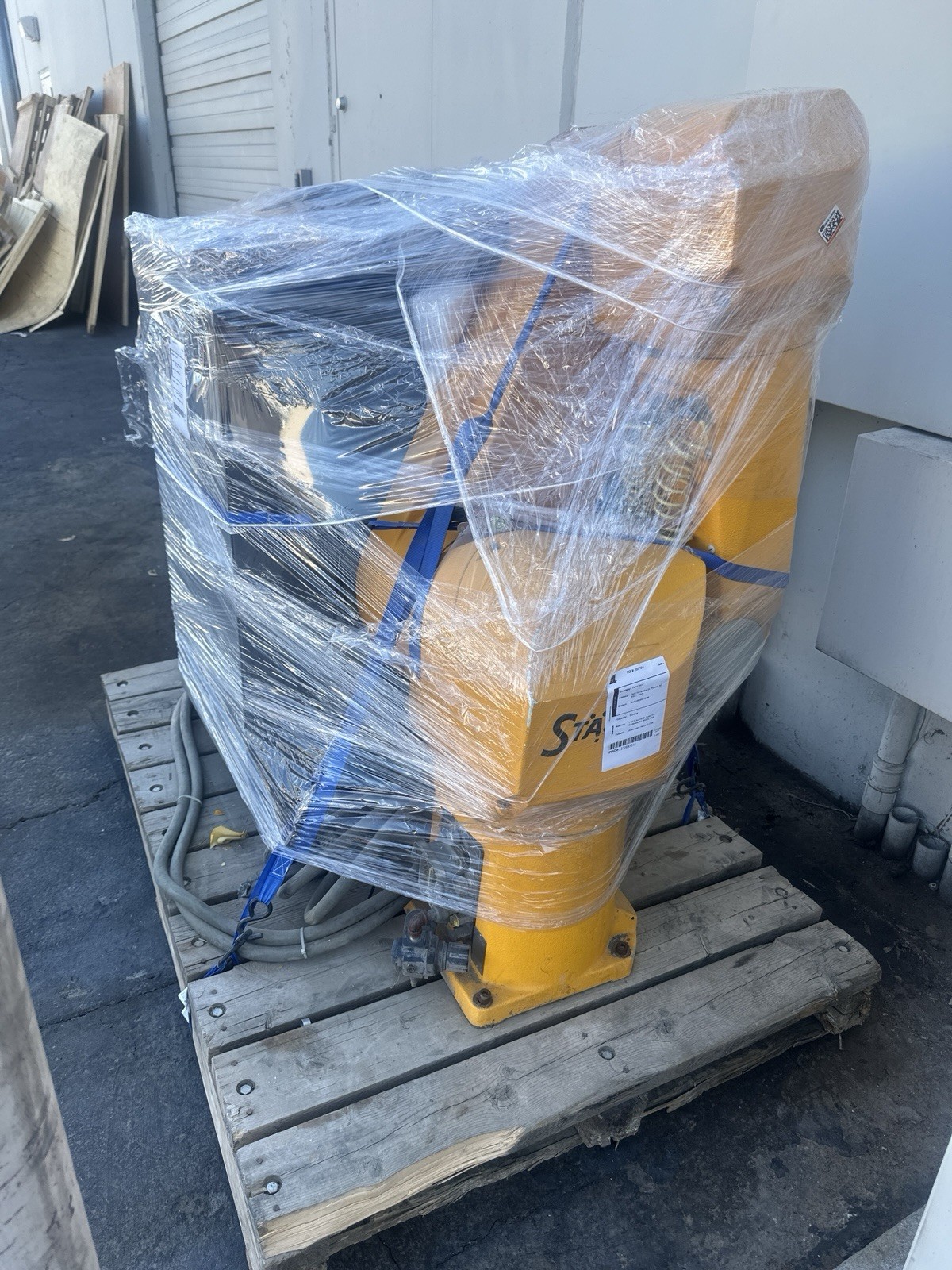
This is a traditional industrial arm, not a cobot. If your workcell is already separated by guards or fencing, that's usually fine-the RX130-B is built for conventional automation where the robot does its own dedicated task. It's a French-made Stäubli arm with Stäubli robotics controls and a standard construction type, so it's a straightforward fit for shops that standardize on the brand. The used condition is the trade-off: you get the lower listed price, but the arm does not come with the newer collaborative features found on the AUBO. This is the option to consider when budget matters more than modern human-robot interaction.
AUBO i10 collaborative robot
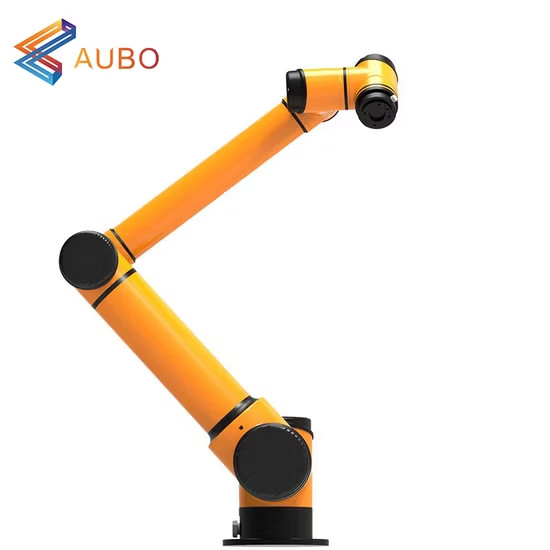
The i10 is built around collaboration. It has a 10 kg payload, six axes, and features like hand guide operation and power/force limiting, so it can be taught and supervised in closer contact with people. The listed safety certifications include CE, TUV, KCs and NRTAC, which makes it suitable for shops that need documented safety. The price is the clear limitation. At USD 22,000, it's a much bigger investment than the Staubli, and it's sold as new-open box rather than factory-new. If you're at the stage where you need a robot to work alongside a small team rather than inside a guarded cell, the i10's collaborative functions justify the higher price.
Final choice by use case
Choose the Staubli RX130-B when your main constraint is upfront budget, you have existing Stäubli infrastructure, or you simply need a workhorse arm in a fenced cell. Choose the AUBO i10 when your tasks involve welding or packing in shared space and you want a 10 kg payload cobot with certified safety functions. The AUBO asks for a much larger investment, but it delivers the collaborative experience that the Staubli-by design-does not.